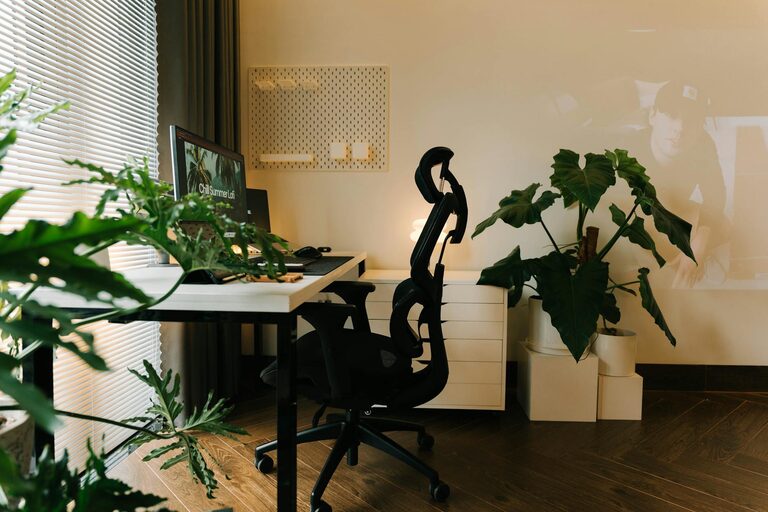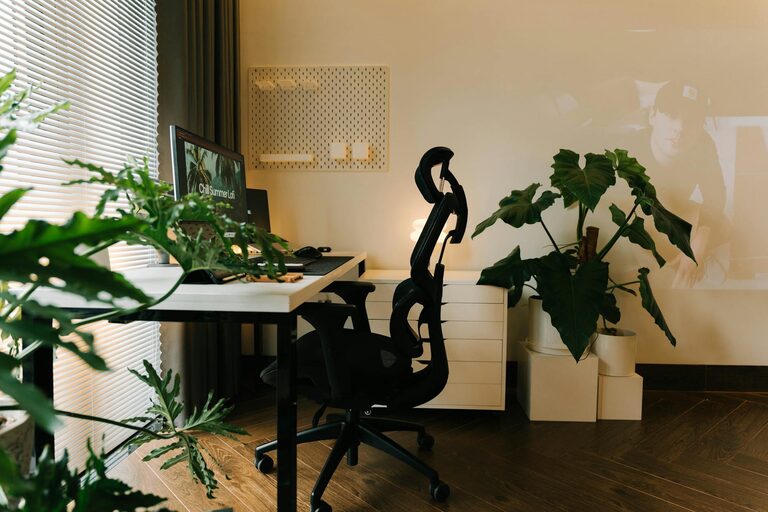
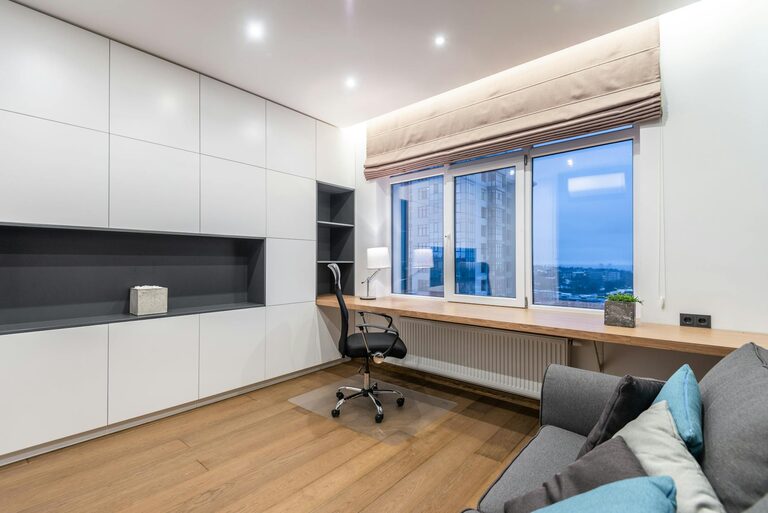
Creating a cozy and functional home office space can transform your work-from-home experience, helping you stay motivated and comfortable throughout the day. Whether you have a dedicated room or just a corner to work with, designing an environment that balances aesthetics and practicality is key. Here are some thoughtful tips to help you build a home office that feels inviting while boosting your productivity.
1. Choose the Right Location
Selecting the right spot for your home office is the first step. Ideally, this area should be quiet and free from distractions. If possible, pick a space with natural light, such as near a window, to help improve mood and reduce eye strain. If space is limited, a nook or a corner of a living room or bedroom can also work well.
2. Invest in Comfortable Seating
A good chair is essential for long hours at your desk. Focus on ergonomic features such as adjustable height, lumbar support, and comfortable padding. Avoid using dining chairs or couches that lack proper support, as this can lead to discomfort or poor posture over time.
3. Select a Desk that Fits Your Needs
Your desk should match the type of work you do and the space available. For example, a simple desk with clean lines works well in small areas, while a larger desk with storage is better for those who need space for multiple monitors or paperwork. Consider desks with cable management features to keep cords tidy.
4. Optimize Lighting
Good lighting reduces eye strain and creates a welcoming atmosphere. Combine natural light with artificial sources such as desk lamps or adjustable overhead lights. Warm LED bulbs provide a cozy feel, while daylight bulbs can help maintain alertness. Avoid harsh fluorescent lights that can cause fatigue.
5. Organize with Storage Solutions
Clutter can distract and reduce efficiency. Incorporate storage options like shelves, filing cabinets, or drawer organizers to keep documents and supplies neatly arranged. Labels and baskets can also help maintain order, making it easier to find what you need quickly.
6. Add Personal Touches
Personalising your home office can make it a pleasant place to spend time. Consider adding artwork, plants, or decorative items that inspire you. Plants, in particular, not only enhance the look but also improve air quality and create a calming environment.
7. Manage Technology Efficiently
Ensure your workspace supports your technology needs. This includes having enough outlets, good Wi-Fi coverage, and an efficient setup for computers, printers, or other devices. Use wireless accessories to reduce cable clutter and consider monitor stands to optimize screen height.
8. Maintain a Comfortable Temperature
Temperature affects concentration and comfort. If your office space tends to be too warm or cold, use a fan, heater, or even a small air purifier to keep the environment pleasant and conducive to focus.
9. Keep Your Workspace Clean
A tidy space promotes a clear mind. Make it a habit to clean your desk and office area regularly. Dust surfaces, vacuum floors, and avoid eating at your workspace to maintain hygiene.
10. Establish Boundaries
Creating separation between work and personal life is important, especially if your office is in a shared space. Use room dividers, curtains, or rugs to define your office area. When your workday ends, close the door or pack away work materials to help switch off and relax.
—
Designing a home office that combines coziness with functionality doesn’t have to be complicated. By focusing on comfort, organisation, and a pleasant atmosphere, you can create a space that supports productivity while making work feel less like a chore. Take time to personalise and adjust your office setup as your needs change, and enjoy the benefits of a well-designed workspace at home.
About the Author